Triarchy Sailing and Helm Controls
Steer your mobile base through weather, coordinate co-op roles, and route voyages from the Map Table.
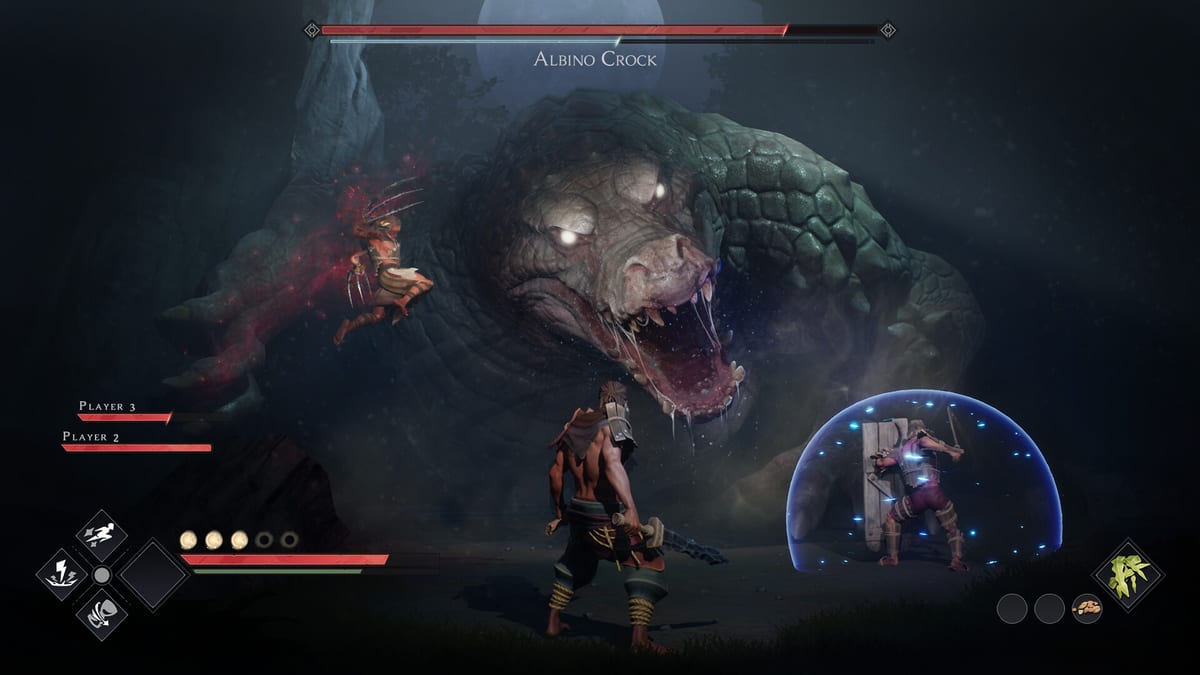
Sailing is how Triarchy turns a drowned archipelago into a connected campaign. Digital Confectioners built the ship as a mobile base you upgrade, craft on, and sail between island bosses—not a loading-screen taxi. Triarchy remains unreleased with a planned 2026 Steam launch, so helm feel, sail animations, and weather intensity can shift between playtest weekends. Official co-op targets one to three players online; some experimental test branches have temporarily raised party caps to six or eight players, but treat those as lab settings only when planning a standard crew.
This guide covers helming, raising and lowering sails, reading weather and waves, routing with the Map Table, dividing co-op captain duties, and how early sailing connects to the Repair Station systems introduced in Wild Seas tests.
Why sailing matters beyond travel
Open-world ARPGs often treat boats as fast travel. Triarchy ties sailing to pacing, co-op roles, and risk. You leave the workbench stocked, mark the next boss on the Map Table, weigh anchor, and navigate hazards that can punish careless helming before anyone draws a weapon on shore.
Sailing also bridges exploration and naval combat. Playtest notes for Wild Seas added hull damage from impacts, listing when damage stacks, and dynamic seas tied to weather—sailing skill is survival, not flavor.
Taking the helm
Helming puts one player at the ship wheel while others remain free under no tether rules described in the co-op hub. The captain steers heading, manages sail state, and callouts hazards; crew can scout decks, prep consumables, or stand ready to swap roles when islands loom.
Trust matters: a helmsman who rams shorelines or ignores wave warnings can strand the whole party mid-voyage. Invite friends pages already list Helm / navigation as a formal co-op role—rotate it so every regular learns wheel basics.
Gamepad helm binds (playtest note)
Control layouts are remappable—see Controls—but playtesters reported a common pitfall on gamepad: exit helm uses B, not Y. Muscle memory from other games sends players to the wrong button and leaves them stuck at the wheel during combat transitions. Rebind if needed, and confirm exit binds before your first storm crossing.
Keyboard and mouse players should likewise verify interact and dismount keys each event; menus move between builds.
Raising and lowering sails
Sails govern how much speed you extract from wind and how visibly committed you are to a route. Official trailers and store art emphasize customizable hulls and sails with meaningful upgrade paths—not cosmetic-only skins.
Practical habits for pre-release sailing:
- Raise sails when leaving dock with a Map Table plan; speed compounds with sail upgrades.
- Lower or reef when approaching tight channels, hostile rafts, or shorelines where impact damage now applies in Wild Seas tests.
- Communicate changes in co-op so fighters know whether the ship is accelerating into danger or slowing for a boarding play.
Exact sail states and UI labels may rename before launch. Screenshot your wheel HUD each playtest and compare patch notes on Updates.
Weather, waves, and Calypsis foreshadow
Early sailing demos looked calm; Wild Seas playtests raised the stakes. Steam community notes describe dynamic waves responding to weather, reduced visibility in heavy seas, and warnings not to underestimate Calypsis—the force re-animating the ocean in test lore.
For wiki readers planning sessions:
| Condition | Helm impact |
|---|---|
| Clear weather | Easier landmark navigation; good time to teach new captains |
| Rising seas | Harder steering, more listing if hull is damaged |
| Low visibility | Map Table prep becomes essential; voice callouts replace sightlines |
Weather ties directly to naval combat risk: the same storm that looks cinematic can push you into rocks or Gribble raft encounters.
Map Table routing before you weigh anchor
Every serious voyage starts at the Map Table. Mark boss targets, note islands with crafting mats, and agree which chain minimizes backtracking. The table is the shared truth on shared progress saves—guests joining via drop-in inherit pins only if the host maintains them.
Routing workflow:
- Debrief last session pins—what cleared, what failed.
- Pick the next objective—story boss, material farm, or Whirlpool Island milestone.
- Assign helm and navigator; navigator owns table updates mid-voyage if plans change.
- Sail with sails matched to route danger—open water versus coastal creep.
For Whirlpool Island onboarding context—the section Digital Confectioners targeted for early access readiness—see Whirlpool Island guide when planning your first structured voyage.
Co-op captain and crew coordination
Official co-op is one to three players with drop-in support. A workable default split:
- Captain (helm) — heading, sail state, collision avoidance
- First mate — Map Table updates, callouts, ready to repair or fight
- Flex — boarding prep, stash checks, combat when anchored
Experimental six- or eight-player branches stress UI and role clarity even more—do not assume those caps define launch balance. Standard trio play keeps one person on wheel without leaving the party understaffed on deck.
Voice discipline helps: call “raising sails,” ” reefing,” “rock port,” and “helm swap” explicitly. Assists from assist planner do not forgive bad navigation.
Repair Station foreshadow
Wild Seas tests added a Repair Station aboard ship for minor hull patch-ups after impacts. Full naval combat detail lives in Naval combat guide, but sailors should know the loop early: impacts cause damage, damage causes listing and partial sink states, and the Repair Station buys time—not immunity—from bad helming.
Pair repairs with hull upgrades and workbench consumables before attempting distant bosses. A captain who ignores the Repair Station forces the crew into flotsam salvage loops mid-ocean.
Sailing between island and boss content
Sailing connects every other system:
- Upgrades — speed and durability change route math
- Workbench — craft before leaving dock
- Naval combat — rafts, ramming, boarding plunges
- Combat basics — deck fights if boarding goes wrong
Treat each voyage as a briefing: stock, route, roles, weather check, then sail.
Playtest documentation checklist
Each weekend, record:
- Default helm enter/exit binds (confirm B exit on gamepad)
- Sail state names and speed deltas
- Weather transition triggers and visibility falloff
- Repair Station throughput after controlled impacts
- Any experimental player cap banner in lobby UI
Submit constructive notes through Steam or Discord when developers request feedback.
Summary
Triarchy sailing is co-op infrastructure: helm skill, sail management, weather awareness, and Map Table discipline keep your mobile base alive between boss hunts. Learn wheel binds, rotate captain roles, respect Wild Seas damage systems, and cross-link naval combat before pushing into hostile waters.
Frequently Asked Questions
Quick answers drawn from Steam playtests and official announcements.
How do I exit the helm on gamepad?
Playtest builds commonly map **exit helm to B, not Y**. Verify in Settings each event—see Controls for remapping.
Does one player have to sail while others explore?
Do sails affect combat stats?
Sails focus on **speed and exploration** via upgrades. Combat power still comes from talents, gear, and combat basics.
What is the Repair Station for?
Wild Seas tests added onboard repairs for **minor hull damage** after impacts. Heavy damage and listing tie to naval combat systems.
Can more than three players sail together?
Official materials target **1–3 players**. Some playtests experimentally raised caps to six or eight—treat those as test-only unless launch confirms otherwise.