Triarchy Combat Basics
Stamina, poise, parry timing, and dual-wield fundamentals for the upcoming co-op ARPG.
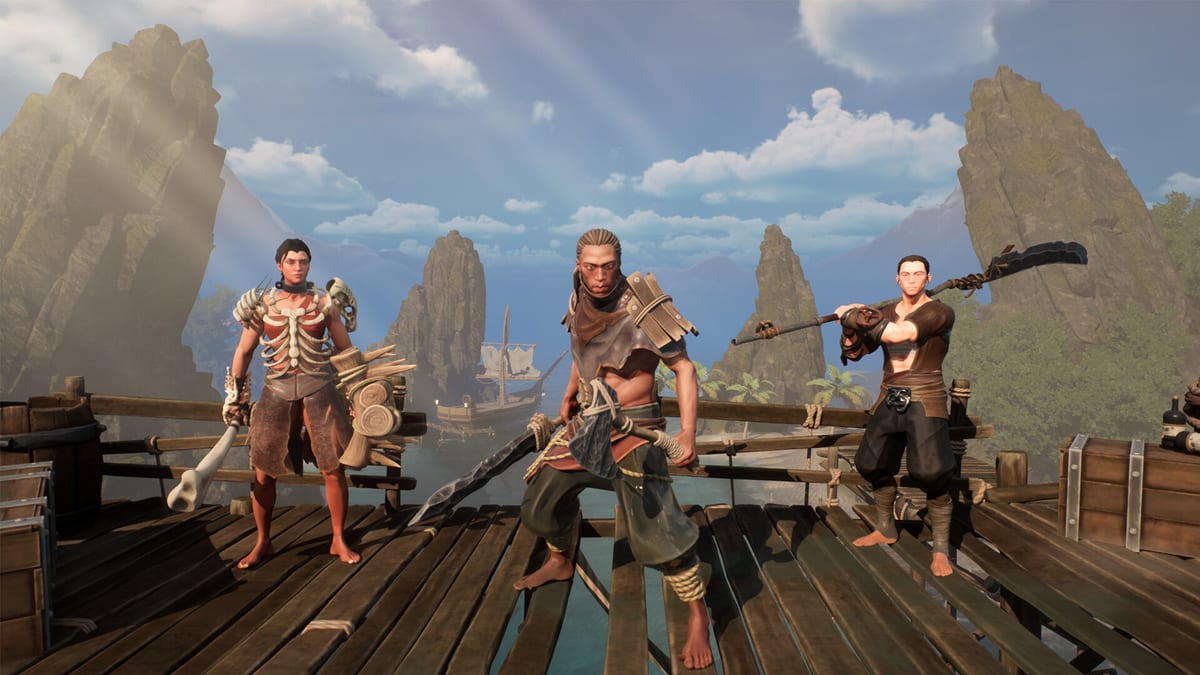
Triarchy combat is built around intentional melee — not idle rotation spam. Digital Confectioners describes fights that hinge on stamina management, poise breaks, well-timed dodges, and precision parries, with counterattacks punishing greedy players. Whether you sail solo or bring two friends online, the same rules apply: read enemy tells, spend stamina deliberately, and coordinate staggers during boss phases. This guide explains those pillars so you can arrive at bosses prepared, plan builds that match your weapon choices, and use Assists as training wheels without ignoring fundamentals.
Stamina: your real health bar in melee
Most light and heavy attacks, blocks, dodges, and parry attempts draw from a shared stamina pool. Empty stamina leaves you vulnerable — attacks whiff slowly, guards collapse, and bosses capitalize with grab or combo strings. Treat stamina like a budget per exchange: open with safe pokes, watch the drain of chained heavies, and leave a reserve to dodge out when telegraphs spike red.
Regeneration timing matters in co-op. While one player draws aggro with high poise damage, partners can breathe stamina back before re-entering. Trios should avoid three-player light spam that accomplishes nothing; stagger-focused roles exist precisely to create those windows. If stamina feels tight during learning, per-player Assist sliders can reduce drain — see Assists — but aim to wean off as muscle memory forms.
Poise breaks: opening damage windows
Enemies and bosses carry poise — a separate stability meter from HP. Sustained poise damage from heavy swings, certain talents, or coordinated team bursts eventually exhausts that meter. Breaks are your cue to spend higher-cost attacks or call ultimates from the talent tree.
Weapon choice affects poise efficiency. Large axes may break faster; dual daggers might shred HP but need more time on poise unless paired with specific on-hit effects. Experiment in island camps before boss attempts and note which weapons your crew brings so breaks arrive on schedule, not accidentally during a hazard phase.
Poise overhaul: Daze and Stagger
Recent Steam playtest notes describe a major poise overhaul that makes break states easier to read and extend. The flow now works in layers:
Daze — poise exhausted
When you fully deplete an enemy’s poise, they enter Daze instead of a vague stagger flash. Daze is a dedicated state with new animations and VFX so the whole party sees the same opening. This aligns with Triarchy’s deliberate melee identity: you still earn the window through stamina-aware play, but the reward is clearer than older builds where poise breaks were easy to miss in co-op chaos.
During Daze, enemies are vulnerable but not automatically locked out of every action—treat it as your signal to escalate, not to assume a free kill.
Stagger — heavy hits while Dazed
If you land a hard enough hit while the target is Dazed, you can Stagger them, extending the window where they remain exposed. Stagger is the payoff for saving a heavy swing or coordinated burst instead of spamming light attacks through the first Daze tick.
Official notes emphasize discovery: the VFX teach the two-step loop without requiring hidden frame-data homework. In trio co-op, call Daze aloud so partners hold a heavy finisher rather than accidentally refreshing the state with chip damage.
Boss immunities and planning
Some larger bosses cannot be Dazed or Staggered per public patch notes—exceptions exist by design so anchor fights stay readable. When a boss is immune, shift from poise racing to sustained damage, arena mechanics, and weapon set swaps if you brought alternate loadouts for phase changes.
Do not invent poise numbers or Stagger timers here; values are still moving pre-2026. Verify feel each playtest and update party agreements on the Builds Hub when immunities or VFX change.
Dodges: spacing and i-frames
Dodges spend stamina to reposition and grant brief invulnerability frames when timed to incoming hits. Because Triarchy emphasizes readable telegraphs, panic rolling often drains you before the real swing lands. Watch windups, audio cues, and ground markers — especially in multi-phase arenas described in official boss materials.
In co-op, dodging into bad positions pulls aggro toward teammates. Use drop-in co-op etiquette: call directional wipes, leave space for melee partners, and do not stack on the same dodge vector unless you intend to bait a cone attack together.
Parries: high reward, high commitment
Parries use tighter timing than holds blocks but refund tempo when successful — often opening ripostes or team follow-ups. Over-committing a parry on feint attacks leaves you locked in recovery; official copy explicitly warns that whiffed parries invite counterattacks. Practice on slower island elites before you request parry-heavy roles in boss lobbies.
Parry windows can be widened individually through Assists without affecting allies. That is ideal for newcomers during playtest weekends, but document your settings with the assist planner so the party knows who covers interrupts versus who plays safe dodge distance.
Weapons and freeform dual-wield
A wide weapon roster is planned, each with distinct movesets and reach. Triarchy allows freeform dual-wield pairing — mix families to combine elemental or status on-hit effects. A slow main-hand breaker plus fast off-hand finisher is a classic pattern, but only if stamina budgets support both swing speeds.
When theorycrafting, cross-link builds for community pairings once playtests stabilize. Until then, prioritize feel: does the moveset let you break poise, escape telegraphed slams, and contribute during ship-to-shore transitions without slow windups getting punished?
Talent tree and ability synergy
Leveling feeds a talent tree with active and support abilities — damage bursts, ally buffs, control tools, and survival options. Talents modify combat rhythm: a support player might amplify stagger windows while a striker spends less stamina on finishers. Plan one tree direction per playtest session so respec noise does not hide what actually worked.
Ability synergy shines in co-op boss fights where phases demand both damage checks and mechanics (adds, arena hazards, split positioning). Read phase guides on bosses alongside your talent picks so you are not unlocking a ground AoE when the next fight prefers vertical mobility.
Challenge Modes versus learning fights
Standard boss kills teach patterns. Challenge Modes — rematches with secret triggers — add abilities, tuning, and loot per official descriptions. Do not jump to Challenge variants before the party masters base stamina and poise loops; harder patterns assume you already recognize telegraphs from the normal version.
Co-op combat checklist
Before sailing to a boss island, agree on roles: who breaks poise, who handles adds, who saves stamina for phase transitions. Confirm everyone read Controls for dodge and parry binds on their device. Run a quick island elite to test latency and Assist settings. After the fight, note which weapons earned breaks and update your builds notes for the next playtest window.
Triarchy remains in development; frame data, stamina costs, and poise values can change between builds. Use this guide as a framework and verify details in-game each playtest.
Frequently Asked Questions
Quick answers drawn from Steam playtests and official announcements.
Does Triarchy have ranged combat?
Marketing focuses on third-person melee with talents and dual-wield weapons. Treat ranged tools as ability-driven unless a playtest patch adds dedicated ranged kits.
What happens when poise breaks?
Playtest notes describe **Daze** when poise is exhausted, then **Stagger** if you land a heavy hit while Dazed—extending the vulnerable window with new VFX. Some larger bosses are immune to both states.
Can Assists make parrying trivial?
Assists can widen parry windows per player only. They help learning but do not remove the need to recognize feints and multi-hit strings.
Is dual-wield mandatory?
No. You can run single weapons if moveset clarity matters more than on-hit mixing. Dual-wield shines when you understand stamina costs of both hands.
How does combat scale in trio co-op?
Enemy scaling adjusts to crew size per official co-op materials. Coordination beats raw DPS — see drop-in co-op for shared progress notes.